Ever feel like life is whizzing by, a blur of to-do lists, digital notifications, and endless worries about what’s next or what’s already passed? You’re not alone. In our hyper-connected world, true connection with the present moment—what we call 'Mindfulness y Conexión Con el Presente'—has become a rare and precious commodity. It's not about stopping the world, but about fully showing up for your own experience within it.
This guide isn’t just another article on mindfulness. It’s a journey designed to equip you with a profound understanding and practical tools to genuinely connect with the now, transforming how you navigate stress, emotions, and the everyday chaos. You’ll learn the foundations, the science, and most importantly, how to weave this powerful practice into the fabric of your busy life.
At a Glance: Your Path to Presence
- Mindfulness Defined: It's the art of paying intentional, non-judgmental attention to the present moment.
- Beyond Buzzwords: Originated in ancient Buddhist traditions, adapted for modern stress reduction by Jon Kabat-Zinn.
- Core Benefits: Significantly reduces stress, sharpens focus, enhances emotional regulation, and eases anxiety and depression.
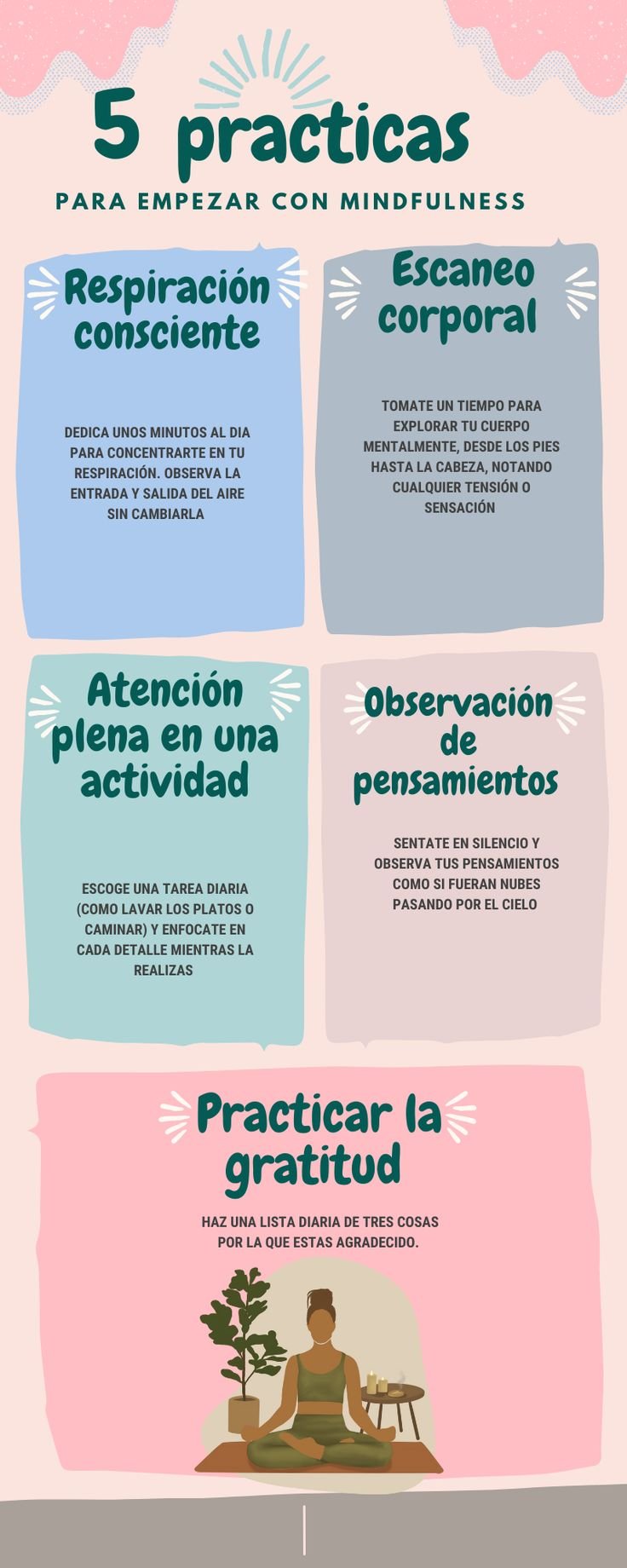
- Practical Tools: Simple exercises like mindful breathing, body scans, and conscious eating can transform your day.
- Therapeutic Power: Mindfulness is a cornerstone in therapies like MBSR, MBCT, and DBT for managing complex emotional and psychological challenges.
- It's a Practice, Not a Perfection: Cultivating presence is a skill that develops over time with consistent, gentle effort.
What Does "Being Present" Truly Mean? Unpacking Mindfulness
At its heart, mindfulness, or atención plena, is a psychological practice rooted in a simple yet profound concept: paying attention. But not just any attention. It’s about focusing, on purpose, on the present moment, without judging what you observe. This means meeting your thoughts, feelings, bodily sensations, and the surrounding environment with an open, accepting awareness.
Think of it this way: your mind is often a time-traveler, bouncing between regrets of the past and anxieties about the future. Mindfulness is the gentle anchor that brings you back to the "here and now," the only moment you ever truly have. It's not about emptying your mind or achieving a state of blissful calm (though that can be a pleasant side effect). Instead, it’s about observing whatever is happening, as it’s happening, with curiosity rather than criticism.
The Journey from Ancient Wisdom to Modern Science
While the term "mindfulness" might feel new to many in the West, its roots delve deep into ancient Buddhist teachings, specifically the concept of "sati," which refers to awareness, attention, and memory. For centuries, these practices were a central component of spiritual development, fostering insight and compassion.
It wasn't until 1979 that Jon Kabat-Zinn, a molecular biologist at the University of Massachusetts Medical School, began to systematically adapt these ancient practices for a secular, clinical context. He developed the Mindfulness-Based Stress Reduction (MBSR) program, a groundbreaking eight-week intervention designed to help people cope with stress, pain, and illness. Kabat-Zinn stripped away the religious dogma, focusing purely on the universal human capacity for awareness and its therapeutic potential. His work ignited a scientific revolution, bringing mindfulness from the meditation cushion into hospitals, schools, and workplaces worldwide.
Today, mindfulness isn't just a trend; it's a rigorously studied field. It has been integrated into various evidence-based psychological treatments, most notably Mindfulness-Based Cognitive Therapy (MBCT), which combines mindfulness with cognitive-behavioral techniques to prevent relapse in depression, and Dialectical Behavior Therapy (DBT), a comprehensive approach for managing intense emotions and impulsive behaviors, often used for individuals with Borderline Personality Disorder. This rich lineage underscores its credibility and profound impact.
The Hallmarks of a Mindful State
What does it actually feel like to be mindful? It’s characterized by several key elements:
- Attention to the Present Moment: This is the cornerstone. It means noticing what’s unfolding right now – the sound of rain, the taste of your coffee, the sensation of your breath – rather than getting lost in thought.
- An Attitude of Acceptance (Non-Judgment): Perhaps the most challenging aspect for many. Instead of labeling experiences as "good" or "bad," "right" or "wrong," you simply observe them. You allow thoughts and feelings to come and go without getting entangled or trying to change them.
- Reduction of Mental Automaticity: Much of our lives are lived on autopilot. Mindfulness helps you step out of habitual reactions and ingrained thought patterns, giving you a choice in how you respond.
- Emotional Regulation: By observing emotions without judgment, you create space between the feeling and your reaction, preventing intense emotions from overwhelming you.
- Self-Compassion: Acknowledging your struggles and imperfections with kindness, just as you would a friend. It’s an essential antidote to self-criticism.
Together, these characteristics cultivate a profound sense of inner stability and clarity, allowing you to engage with life more fully and gracefully.
Why Being Present Matters: Escaping the Autopilot Trap
In our modern world, distraction is the default. We scroll through feeds, multitask relentlessly, and mentally jump from one future contingency to another. This constant mental chatter and disconnection from the present moment carry a significant cost. We miss out on the richness of everyday experiences, we're more prone to stress, and our emotional lives become harder to navigate.
Imagine driving a car but constantly looking in the rearview mirror or at the GPS, never truly seeing the road ahead. That's what living on autopilot feels like. Mindfulness offers an exit ramp from this cycle.
The Tangible Benefits of Cultivating Presence
The scientific community has, over decades, compiled a robust body of evidence showcasing the transformative power of mindfulness. These aren't just feel-good anecdotes; they're measurable changes in the brain and body.
- Significant Stress Reduction: Mindfulness directly impacts the body's stress response. Regular practice can lower cortisol levels (the "stress hormone"), reduce inflammation, and even change the structure of the brain, strengthening areas associated with emotional regulation and reducing activity in the amygdala, our brain's "fear center." This leads to a profound sense of calm, even amidst chaos.
- Sharpened Concentration and Focus: In a world vying for your attention, mindfulness acts as a mental training gym. By consistently bringing your focus back to the present moment, you strengthen your capacity to sustain attention, filter out distractions, and improve overall cognitive performance. This translates to better productivity at work, deeper engagement in conversations, and a greater ability to learn new things.
- Enhanced Emotional Regulation: We've all experienced moments where emotions feel overwhelming, leading to impulsive actions or prolonged suffering. Mindfulness provides tools to observe emotions without getting swept away by them. By creating a space between the emotion and your reaction, you gain agency. You learn that feelings are temporary visitors, not permanent residents, allowing you to respond wisely rather than react blindly. This improved emotional intelligence is critical for healthy relationships and personal well-being.
- Reduced Anxiety and Depression: Both anxiety (rooted in future worries) and depression (often tied to past regrets or self-criticism) thrive when the mind wanders unchecked. Mindfulness, by anchoring you to the present, disrupts these cycles. It teaches you to observe anxious thoughts without believing them implicitly and to meet feelings of sadness with gentle acceptance, rather than resistance or judgment. This makes it a powerful adjunct to traditional therapies. The effectiveness of MBCT, for instance, in preventing depressive relapse is well-documented, offering a proactive strategy for mental well-being.
- Improved Physical Health: Beyond mental benefits, mindfulness can positively impact physical health. It's associated with better sleep quality, reduced chronic pain, a stronger immune system, and even improved cardiovascular health. The mind-body connection is undeniable, and mindfulness harnesses it for holistic well-being.
By choosing to be present, you're not just finding a moment of calm; you're fundamentally rewiring your brain and reorienting your relationship with life itself.
The Science Behind the Calm: How Mindfulness Rewires Your Brain
It’s not magic; it’s neuroscience. The consistent practice of mindfulness leads to tangible, measurable changes in the brain – a phenomenon known as neuroplasticity. This means your brain isn't a fixed entity but rather a dynamic organ that can reorganize itself by forming new neural connections throughout life.
When you practice mindfulness, you're essentially exercising specific neural pathways. Here’s a simplified look at what happens:
- Prefrontal Cortex Activation: This area, responsible for executive functions like planning, decision-making, and emotional regulation, becomes more active and robust. This enhances your ability to consciously choose your responses rather than operating on automatic pilot.
- Amygdala Downregulation: The amygdala is the brain's alarm system, triggering fear and stress responses. Mindfulness practice has been shown to reduce the size and activity of the amygdala, leading to a diminished fight-or-flight response and a greater sense of calm.
- Insula and Anterior Cingulate Cortex Strengthening: These areas are crucial for interoception – the ability to sense and interpret internal bodily signals. A stronger connection here means you become more attuned to your physical and emotional states, catching stress or discomfort earlier and responding proactively.
These changes explain why structured mindfulness programs are so effective in clinical settings. Take, for example, the Mindfulness-Based Stress Reduction (MBSR) program, which typically runs for eight weeks. Participants learn specific meditation techniques, including body scans, sitting meditation, and mindful movement. The goal is not just relaxation, but a fundamental shift in how individuals relate to stress, pain, and illness. It equips them with a toolkit for managing challenging experiences, moving from a reactive stance to a more responsive one.
Similarly, Mindfulness-Based Cognitive Therapy (MBCT) builds on MBSR by integrating elements of cognitive behavioral therapy. It specifically targets individuals prone to recurrent depression by teaching them to recognize and disengage from automatic, negative thought patterns before they spiral into a depressive episode. Instead of trying to change these thoughts, MBCT teaches you to observe them as mental events, not necessarily facts.
For those facing extreme emotional dysregulation, Dialectical Behavior Therapy (DBT) incorporates core mindfulness skills as one of its foundational pillars. DBT helps individuals with disorders like Borderline Personality Disorder learn to stay present, observe emotions without judgment, and act effectively even in moments of intense distress. It’s about building a life worth living by fostering emotional resilience and interpersonal effectiveness through conscious awareness.
These evidence-based therapies highlight that mindfulness is far more than a relaxation technique; it's a powerful framework for psychological healing and growth, grounded in how our brains function and can be retrained.
Bringing Mindfulness Into Your Daily Life: Practical Steps
You don't need to retreat to a monastery or spend hours meditating to practice mindfulness. The beauty of it lies in its adaptability. It's about bringing conscious awareness to the moments that make up your day, transforming mundane tasks into opportunities for connection.
Here are some foundational practices and simple ways to weave mindfulness into your routine:
Foundational Practices: Building Your Inner Anchor
These exercises are excellent starting points and can be practiced for just a few minutes a day, gradually increasing duration as you feel comfortable.
- Attention to the Breath (Anchor Meditation):
- How to do it: Find a quiet spot and sit comfortably. Gently close your eyes or soften your gaze. Bring your attention to the sensation of your breath. Notice the air entering your nostrils, filling your lungs, and then slowly leaving your body. Pay attention to the rising and falling of your belly or chest, the slight pause between inhales and exhales.
- The "Work": Your mind will wander. That's perfectly normal. When you notice your mind has strayed to thoughts, plans, or worries, gently acknowledge it, and then kindly guide your attention back to your breath. There’s no need to judge yourself for wandering; simply return.
- Why it works: The breath is always in the present moment. It's a constant, accessible anchor that can instantly ground you.
- Duration: Start with 2-3 minutes, gradually extending to 5-10 minutes.
- The Body Scan:
- How to do it: Lie down comfortably or sit upright. Close your eyes. Begin by bringing your attention to your feet. Notice any sensations – warmth, coolness, tingling, pressure. Without judgment, simply observe. After a minute or so, gently move your attention up to your ankles, then calves, knees, and so on, progressively scanning each part of your body all the way up to the top of your head.
- What to notice: As you move through your body, you might notice areas of tension, relaxation, pain, or numbness. Your only job is to observe these sensations with an attitude of acceptance, without trying to change them.
- Why it works: It cultivates a deep awareness of your physical self, releasing stored tension and bringing you fully into your body. This can be particularly effective for stress reduction and improving sleep.
- Duration: Typically 10-20 minutes. Guided body scans are widely available and can be very helpful.
Integrating Mindfulness into Everyday Activities: Making Life Conscious
Once you're familiar with the foundational practices, you can extend this mindful awareness to virtually any daily activity. The goal is to do one thing at a time, with your full attention.
- Mindful Eating:
- How to do it: Before your next meal or snack, pause. Look at your food. Notice its colors, shapes, and textures. Bring it to your nose and inhale its aroma. Take a small bite. Don't chew yet. Notice the initial taste. Then, slowly chew, paying attention to the texture, the changes in flavor, and the sound of your chewing. Swallow consciously, noticing the sensation as it goes down.
- Benefits: You'll taste your food more deeply, feel satisfied with less, and become more attuned to your body's hunger and fullness cues. It transforms a routine act into a rich sensory experience.
- Mindful Walking:
- How to do it: Whether you're walking to your car, around your office, or on a nature trail, choose to bring your attention to the act of walking. Notice the sensation of your feet touching the ground – heel, then mid-foot, then toes. Feel the shift of weight, the swing of your arms, the movement of your body. Pay attention to the sounds around you, the sights you pass, the air on your skin.
- Benefits: Turns a chore into a moving meditation, reduces stress, and grounds you in your immediate environment.
- Mindful Chores or Tasks:
- How to do it: Pick one routine task you usually rush through – washing dishes, brushing your teeth, doing laundry, or drinking a glass of water. For a few minutes, bring your full, undivided attention to it. When washing dishes, feel the warmth of the water, the slickness of the soap, the texture of the sponge, the clinking of the plates.
- Benefits: Transforms tedious tasks into moments of presence, reduces the feeling of being overwhelmed, and cultivates a sense of peace in your day.
The key to all these practices is non-judgmental awareness. Your mind will wander; that's its nature. The practice isn't about stopping thoughts, but about noticing them and gently bringing your attention back to the present moment, over and over again. Each time you bring your attention back, you're strengthening your "mindfulness muscle." This iterative process, this gentle returning, is where the true power of mindfulness lies.
Beyond the Basics: Mindfulness for Specific Challenges
While daily practices build a foundation, mindfulness also shines as a powerful intervention for specific psychological challenges, forming the bedrock of several effective therapies. These programs take the principles of present moment awareness and apply them in structured ways to address deep-seated issues.
Managing Chronic Stress with MBSR
For many, stress is a constant companion, silently eroding health and well-being. Mindfulness-Based Stress Reduction (MBSR), developed by Jon Kabat-Zinn, is an eight-week program designed to equip individuals with tools to better manage stress, chronic pain, and illness. It’s not about eliminating stress but changing your relationship with it.
Through guided meditations, gentle yoga, and group discussions, participants learn to:
- Observe stress reactions without judgment.
- Develop a greater capacity for self-care and self-compassion.
- Respond to difficult situations with more wisdom and less reactivity.
The consistent practice fostered in MBSR helps participants cultivate a deep internal resource that allows them to navigate life's challenges with greater ease and resilience, improving overall quality of life.
Preventing Relapse in Depression and Anxiety with MBCT
Depression and anxiety can be insidious, often fueled by rumination about the past or worry about the future. Mindfulness-Based Cognitive Therapy (MBCT) combines the meditative aspects of MBSR with key components of cognitive-behavioral therapy (CBT). It's particularly effective for individuals who have experienced recurrent episodes of depression.
MBCT helps people:
- Become aware of automatic negative thought patterns.
- Recognize the early warning signs of a mood shift.
- Learn to "decenter" from thoughts and feelings, viewing them as transient mental events rather than absolute truths.
This shift in perspective can be life-changing, empowering individuals to break free from cycles of negative thinking and prevent relapse, offering a sense of control over their mental health journey.
Navigating Intense Emotions with DBT
For individuals struggling with extreme emotional dysregulation, self-harm, or chronic interpersonal difficulties, Dialectical Behavior Therapy (DBT) offers a comprehensive approach. Developed by Dr. Marsha Linehan, DBT integrates mindfulness as one of its core skill modules.
Mindfulness in DBT helps individuals:
- Observe: Notice thoughts, feelings, and sensations without getting caught up in them.
- Describe: Put words to experiences without judgment.
- Participate: Fully engage in the present moment, immersing themselves in activities.
These mindfulness skills are crucial for building emotional awareness and distress tolerance, enabling individuals to manage intense emotions, reduce impulsive behaviors, and improve their relationships. DBT��s emphasis on mindfulness provides a steady anchor in turbulent emotional seas, teaching participants to navigate their inner world with greater skill and acceptance.
These therapeutic approaches underscore mindfulness not just as a personal philosophy but as a critical tool for psychological healing and fostering deep self-awareness in the face of significant challenges.
Common Myths and Misconceptions About Mindfulness
Despite its growing popularity, mindfulness is often misunderstood. Let’s clear up some common myths that might be holding you back from exploring its potential.
Myth 1: Mindfulness is About Emptying Your Mind or Stopping Thoughts.
Reality: This is perhaps the biggest misconception. The human mind thinks; it's what it does. Mindfulness is not about clearing your mind or achieving a thought-free void. Instead, it's about changing your relationship with your thoughts. It teaches you to observe thoughts as they arise, acknowledge them, and let them pass, without getting entangled or carried away by them. It's like watching clouds drift across the sky, rather than trying to grab them.
Myth 2: Mindfulness is a Religion or Requires Spiritual Beliefs.
Reality: While mindfulness has roots in Buddhist traditions, it has been completely secularized for Western clinical applications by figures like Jon Kabat-Zinn. It's a psychological practice, a way of training attention and awareness, not a belief system. You don't need to adopt any particular faith or spiritual view to practice mindfulness and reap its benefits. It's universally accessible.
Myth 3: Mindfulness is Always Relaxing and Brings Immediate Peace.
Reality: While relaxation and peace are often beneficial side effects, the primary goal of mindfulness is awareness, not relaxation. Sometimes, when you start paying attention, you might notice stress, discomfort, or unpleasant emotions you've been avoiding. This can be challenging. The practice is about meeting all experiences with acceptance and openness, even the difficult ones. Over time, this acceptance often leads to a deeper, more sustainable sense of calm, but it's not a guaranteed instant fix.
Myth 4: Mindfulness is Selfish or Passive.
Reality: Some worry that focusing on oneself is selfish or that acceptance means becoming passive and not acting to change difficult situations. Quite the opposite. By becoming more aware and emotionally regulated, you're actually better equipped to connect with others, act compassionately, and engage effectively with the world. Mindfulness enhances your capacity for empathy and mindful action. It's about responding skillfully, not reacting impulsively.
Myth 5: You Need to Dedicate Hours to Meditation to Be Mindful.
Reality: While dedicated meditation practice is beneficial, mindfulness can be cultivated in short bursts throughout your day. Even 3-5 minutes of mindful breathing, a mindful walk, or mindful eating can make a significant difference. The key is consistency, not necessarily duration. Any moment you bring conscious, non-judgmental attention to the present is a moment of mindfulness.
Dispelling these myths helps demystify mindfulness, making it more approachable and encouraging you to explore its genuine potential without preconceived notions.
Starting Your Mindfulness Journey: Tips for Beginners
Embarking on a mindfulness journey can feel exciting, but also a bit daunting. Remember, this is a practice, not a destination. There’s no "failing" at mindfulness, only opportunities to gently bring your attention back.
Here are some tips to help you get started and sustain your practice:
- Start Small and Be Consistent: You don't need to commit to an hour of meditation from day one. Begin with 2-5 minutes of focused breathing each day. The consistency of a short daily practice is far more impactful than sporadic long sessions.
- Use Guided Meditations: Especially when you’re starting, guided meditations can be incredibly helpful. Apps like Calm, Headspace, Insight Timer, or even free resources on YouTube offer a vast library of guided practices for various durations and intentions. They provide structure and gentle prompts that keep you engaged.
- Find a Quiet Space (Initially): While mindfulness can be practiced anywhere, finding a relatively quiet place free from distractions can make it easier to establish your practice in the beginning. As you become more adept, you'll find you can practice anywhere.
- Adopt an Attitude of Curiosity and Kindness: Approach your practice with an open mind, like a scientist observing a new phenomenon. When your mind wanders (which it will!), simply notice it without judgment, and gently redirect your attention. Treat yourself with the same kindness you'd offer a friend learning something new.
- Be Patient with Yourself: Mindfulness is a skill, and like any skill, it takes time and practice to develop. Some days will feel easier than others. Don't get discouraged by perceived "bad" meditations or moments of distraction. Every time you notice your mind has wandered and bring it back, you're strengthening your mindfulness muscle.
- Integrate Micro-Practices: Don't limit mindfulness to formal meditation. Incorporate it into daily activities: mindful walking, mindful eating, or even mindful dishwashing. These small moments add up and reinforce your practice.
- Consider a Formal Course: If you find yourself deeply interested and want a more structured approach, consider enrolling in an MBSR or MBCT program. These courses provide in-depth instruction, group support, and a comprehensive framework for developing a robust mindfulness practice. This can be a truly transformative Journey to the heart for your mind and well-being.
- Keep a Journal: After your practice, briefly jot down any insights, challenges, or notable experiences. This can help you track your progress, identify patterns, and deepen your understanding of your inner landscape.
Remember, mindfulness isn't about achieving a perfect state; it's about the ongoing process of returning to the present moment, again and again, with an open heart. Each time you do, you're building resilience, clarity, and a deeper connection to your own experience.
Making Mindfulness Stick: Cultivating a Mindful Lifestyle
You've learned what mindfulness is, why it's so beneficial, and how to start practicing. But how do you move beyond fleeting moments of awareness to truly embed 'Mindfulness y Conexión Con el Presente' into your entire way of being? It's about cultivating a mindful lifestyle – a consistent commitment to living with intentional awareness.
This isn't about adding another chore to your already packed schedule. Instead, it's about subtly shifting your approach to everything you do.
The Power of Intention
Begin each day, or even each activity, with a simple intention to be present. Before checking your phone, before your first sip of coffee, pause and set an intention: "I will try to be present for this moment," or "I will bring awareness to my interactions today." This small act of intention setting primes your mind for mindfulness.
Scheduled Check-Ins
Just as you schedule appointments, schedule short mindfulness check-ins throughout your day. Set an alarm for once or twice a day to simply pause, take three mindful breaths, and notice what’s happening in your body and mind without judgment. These micro-breaks can reset your focus and reduce mental fatigue.
Mindful Breaks from Technology
Our devices are powerful tools but also potent sources of distraction. Practice "digital mindfulness." Designate specific times when you put your phone away, turn off notifications, and fully engage with the physical world or the people around you. Even a 15-minute tech-free break can be incredibly rejuvenating.
Reflect and Learn
At the end of your day, take a few minutes to reflect. When were you most present? What pulled you away? Where did you feel moments of connection, and where did you feel distracted? This isn't about self-criticism, but about learning and growing. Each day offers valuable lessons for deepening your awareness.
Seek Community and Support
Connecting with others who are also exploring mindfulness can be incredibly supportive. Join a local meditation group, participate in online forums, or share your experiences with a trusted friend. Hearing others' perspectives and challenges can normalize your own journey and offer new insights.
Embrace Imperfection
There will be days when you feel completely distracted, when your mind races, and mindfulness seems impossible. These are not failures; they are simply part of the human experience. A mindful lifestyle isn't about being perfectly present all the time, but about consistently and compassionately returning to the present, even after you've wandered.
Ultimately, cultivating 'Mindfulness y Conexión Con el Presente' is an ongoing journey of self-discovery and growth. It’s an invitation to step off the autopilot, to awaken to the richness of each passing moment, and to live a life that is more vibrant, resilient, and deeply connected. It takes commitment, patience, and a willingness to meet life as it unfolds, but the profound transformation it offers is well worth the mindful effort.